


Alzheimer's & Dementia Care · Ann Arbor

Alzheimer's and Dementia Care in Ann Arbor

We bring calm, patient memory care into the home your loved one knows, so the days feel safe and familiar even as dementia changes them.

Part- or full-day installs · typical timeline
Free Quote

Free Alzheimer's & Dementia Care quote.

We reply within 1 business hour. No spam, ever.

Caregiver's hand reassuringly on shoulder
Senior listening to music with caregiver
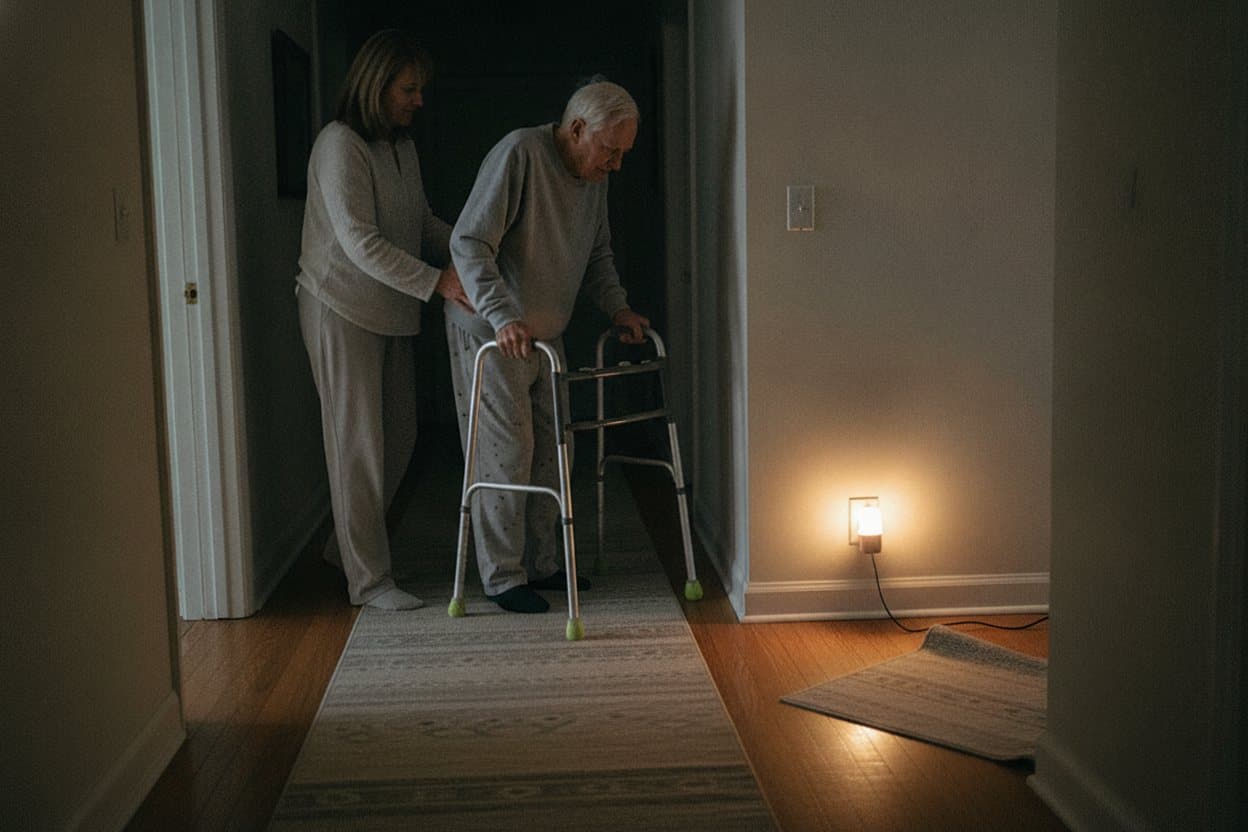
Caregiver guiding senior through home hallway
What we install

Steady dementia care that keeps home feeling safe

Dementia care in Ann Arbor is help for a brain that is slowly changing. Yesterday slips away, but feelings stay sharp. Alzheimer's and other forms of dementia turn easy days into hard ones. Words get lost, meals get missed, and the front door can feel like a maze. We step in with calm, patient caregivers who keep the day steady and safe. Our aides learn your loved one's story and follow a gentle routine. They guide each task with no rush and no worry. When the need is more about company and light help, our companion care may be a better first step.

Good dementia care starts with knowing the person, not just the illness. We come to the home and learn the daily rhythm. Then we build a plan around what still brings comfort. Maybe your mother calms down with music from her youth. Maybe your father does best with a slow morning and the same breakfast each day. Our caregiver follows that pattern and uses gentle reminders, not corrections. When confusion sets in, we redirect with kindness. We also watch for the hard moments, like the late day restlessness that doctors call sundowning, and we plan the day to ease it.

  • Calm, patient caregivers trained to handle memory loss with kindness.
  • A steady daily routine that lowers confusion and late day agitation.
  • Gentle redirection instead of arguing, so hard moments pass faster.
  • A safer home, with watch kept on wandering, the stove, and stairs.
  • Notes after each visit, so the family sees how your loved one is really doing.
Dementia takes the memories, but the right care protects the comfort, the dignity, and the calm that still remain.

We are local to Ann Arbor. A caregiver can reach Burns Park, the Old West Side, or Dexter with no long drive. That closeness matters most in winter. Short, dark days can deepen confusion, and an icy walk turns wandering into real danger. We send the same caregiver as often as we can. A familiar face is one of the few things that still soothes a person living with dementia. That is why dementia care works best with a steady, known caregiver. A stranger can scare them, but a known voice brings calm. Our coordinators stay reachable around the clock. When a hard night comes, a real person picks up.

Tell us what your loved one is going through, and we will show you how steady dementia care can bring calm back to the day. Call us for a free, no pressure talk, and we will walk you through the first step.

Materials

The simple changes that make a home dementia safe

Dementia care is mostly about a patient, trained caregiver. But a few changes around the home make every day far safer. Door chimes or simple alarms warn us the moment a loved one tries to slip outside, which is the single biggest risk with memory loss. Covers on the stove knobs stop a forgotten burner from turning into a fire. We walk the house on the first visit and point out these basics. A few small fixes prevent far more harm than constant watching ever could.

Beyond safety, a few familiar objects help a confused mind settle. A clear clock that shows the day and date eases the questions that come again and again. A memory box of old photos, a worn quilt, or music from their youth can pull a person back to a calmer place. Bright, even lighting cuts the shadows that feed late day fear. None of this is costly, and most of it is already in the home. We help you sort what truly helps from what only adds clutter.

  • Door chimes or alarms to catch wandering early
  • Covers on the stove knobs and locked away medicines
  • A clear clock and a memory box of old photos
  • Bright, even lighting to ease late day confusion
What about the alternatives?

Dementia care at home versus the other options

When memory loss takes hold, families weigh a few paths. We have sat at many Ann Arbor kitchen tables while folks talk it through. Here is an honest look at how dementia care at home compares to the common choices.

Dementia care at home

One on one help in the home and routine your loved one still knows, which is the setting that keeps a confused mind calmest.

Recommended

Memory care facility

Locked, around the clock support, but a big move to a strange place that often spikes confusion and fear, at least at first.

Acceptable

Leaning on family alone

Loving and free, but dementia care is constant, and one family member rarely covers the nights, the days, and their own life for long.

Acceptable

Waiting until a crisis

Putting off help until a wander, a fall, or a kitchen fire forces a sudden move, which is the hardest path of all.

Skip
How it goes

From quote to walk-on, fast.

01

Your inquiry

Call or send the short form with what is going on at your place. A sentence or two is plenty for the first step.

02

We talk it through

We go over the situation on the phone, ask the questions that matter, and tell you what we would do next.

03

A clear plan

You get a plain-language rundown of the work, the order it happens in, and what to expect on the day.

04

The work gets done

Our crew shows up when we said, does the job, and walks you through the result before leaving.

Before you book

Is it time for dementia care?

Most families wait longer than they should. These are the worries we hear most, answered straight.

Will a caregiver upset my mom or make her more confused?
It is usually the opposite, once trust is built. We send the same calm caregiver each time, so a stranger soon becomes a familiar, safe face. Our aides are trained to redirect gently and never argue with confusion. Most families tell us their loved one grows calmer, not more upset, as the dementia care routine settles in.
She still knows us. Is it too early for dementia care?
Early is better than late with memory loss. Starting dementia care while your mother still has good days lets her bond with a caregiver before things get harder. The routine and the familiar face are already in place when the tough season comes. Waiting until a crisis means building all of that trust during the worst possible week.
Can you handle the hard behaviors, like anger or wandering?
Yes, and it is a core part of dementia care. Our caregivers are trained for the agitation, the repeated questions, and the urge to wander that come with the disease. We use calm redirection, a steady routine, and a safer home setup to ease these moments. When a behavior is new or worrying, we flag it for the family and the doctor right away.
Aftercare

Caring for someone as the disease moves on

Dementia care is never set and forget, because the disease keeps changing. A person who needs only a few hours of help today may need full day care within a year. A good plan moves with the disease. We check in often, update the written plan, and keep the same caregiver on the case, so nobody has to retell the whole story. Our job is to catch the small shifts, a new word lost or a step that turns unsteady, before they grow into a fall or a wander. That steady, watchful care is what keeps your loved one safe at home, season after season.

  • We review the care plan often and adjust hours as the disease moves.
  • The same caregiver stays on, so new changes get noticed early.
  • We watch for fresh risks, from wandering to trouble with eating.
  • A coordinator stays reachable around the clock for the whole family.
  • Care can grow into respite care, all day support, or end of life support.
Caregiver's hand reassuringly on shoulder
FAQ

Dementia care questions Ann Arbor families ask

What is the difference between personal care and companion care?
Personal care is hands on help with the body, like bathing, dressing, and moving safely around the house. Companion care is about company and daily living, so meals, errands, rides to a clinic, and a friendly face through the day. Many families start with one and add the other as needs grow. We blend both under a single plan so the help fits the person.
How quickly can you start in home care for a family member in Ann Arbor?
In most cases we can begin within a few days, and sometimes the next day when the need is urgent. We start with a short visit to learn the routine and write a simple plan. Then we match a caregiver and set the schedule around your week. If a parent is coming home from the hospital, tell us the date and we will be ready.
Does in home care work alongside hospice or home health nursing?
Yes. We work in step with hospice teams and visiting nurses, and we handle the daily hours they do not cover. Nurses manage the medical side while our caregivers manage the hours in between, like meals, bathing, company, and safety at home. We share notes so everyone stays on the same page.
Can you provide care after a hospital discharge when my parent comes home?
Yes. Those first weeks at home are when a fall or a missed dose does the most harm, so we step in fast. A caregiver can help with bathing, meals, reminders to take medicine, and getting to follow up visits. We cover a few hours, full days, or overnight while your parent regains strength, then trim the hours as they improve.
How do you match a caregiver to my loved one?
We match on the person, not just a task list. Before anyone starts, we sit down in your living room to learn the daily routine, the likes, and the small things that matter most. Then we pick a caregiver whose pace and personality fit your loved one. If the first match feels off, we change it with no fuss.
Ready when you are

Let's make your next steps easier

Tell us what is going on at your Ann Arbor home and we will walk you through the options. One call or one short form is all it takes.

Call (734) 821-5601Make your inquiry
CallContact us